If you’ve fallen for The Apothecary Diaries (Kusuriya no Hitorigoto) — the hit series about a sharp-witted girl raised among medicines — here’s a real-world hook the show never mentions: Japan’s own apothecary tradition was born in Nara. Long before it was a deer-and-temples day trip, this was the region where Japanese medicine literally began, and that heritage still runs quietly through the prefecture today. It’s one of Nara’s most underrated stories.
Where Japanese medicine began: a 7th-century herb hunt
The Nihon Shoki, Japan’s oldest chronicle, records that in 611 CE, Empress Suiko held a yakugari — a “medicinal herb hunt” — in the Uda region of present-day Nara. It is the oldest documented herb-gathering event in Japanese history, and it marks Nara as the cradle of the country’s pharmaceutical culture. By the early 700s, the court had established official medicinal-herb-garden managers in Nara, and medicines from the Nara period survive to this day in Tōdai-ji’s Shōsōin repository.
En no Gyōja and “Daranisuke” (yes, the Yoshino connection)
Medicine and mountain religion grew up together here. En no Gyōja, the legendary founder of Shugendō who trained in the Katsuragi and Yoshino mountains, is credited with creating a herbal medicine — Daranisuke — while reciting dharani sutras, then spreading it among the people. (If you’ve read our Mount Yoshino guide, this is the same figure who carved the deity from a cherry tree.) Medicine, in other words, was woven into the sacred landscape of Nara from the very beginning.
”Yamato medicines” and Japan’s traveling apothecaries
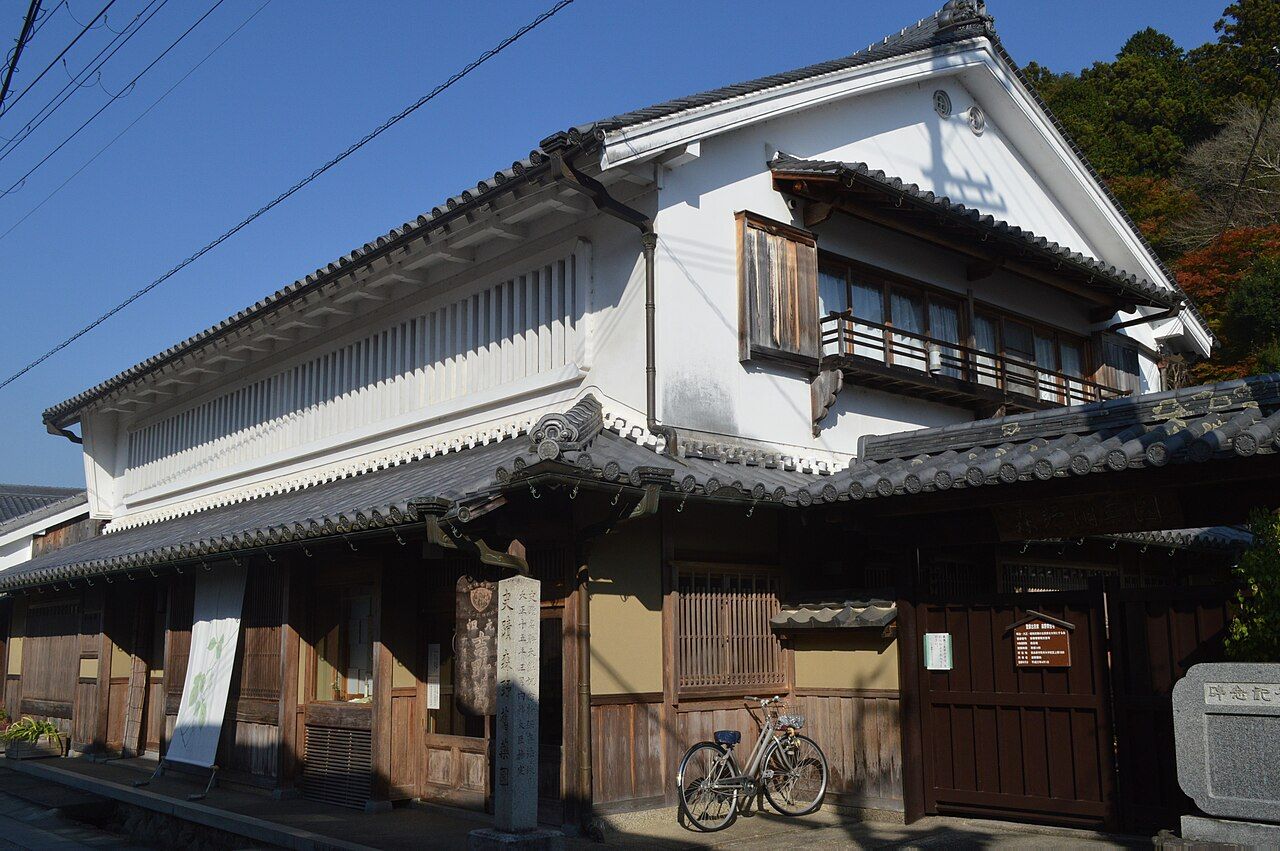
Herbs grown in Nara — like tōki (Japanese angelica) and shakuyaku (peony) — became prized nationwide as “Yamato-mono,” and the region developed a famous tradition of traveling medicine sellers and the okigusuri (“placed medicine”) system, in which households kept a box of remedies and only paid for what they used. That heritage produced real industrial heirs: Nara’s medicine trade shaped major Japanese pharmaceutical companies — most famously Tsumura, whose founder came from Nara — and Uda is home to the Morino Old Medicinal Garden, one of Japan’s oldest surviving medicinal herb gardens (established 1729).
The surprising curry twist
Here’s where it gets fun. Nara has, in recent years, become something of a Japanese curry hotspot, with a lively local curry scene and even claims about Nara’s role in Japanese curry’s history. And there’s a genuine thread connecting curry to this medicine heritage: curry powder is a blend of spices, and many of those spices overlap with the herbs of kampo (traditional Japanese herbal medicine). Even cordyceps (tōchūkasō, the “winter-worm-summer-grass” fungus) that medicine-lovers will recognize is a classic kampo ingredient. Blending spices and blending medicines are, historically, close cousins — and Nara sits at the root of both stories.
For Apothecary Diaries fans (an honest note)
Travelers have mentioned a Nara experience that combines curry-spice/powder making with exhibits on herbal medicine and cordyceps, framed around The Apothecary Diaries, and even an author visit. We weren’t able to independently confirm a specific venue, the Apothecary Diaries tie-in, or the author’s visit from public sources, so we’re flagging it as unverified — check current local listings in Naramachi before planning around it. What is solid is the backdrop: Nara genuinely is Japan’s apothecary homeland, which makes it a uniquely fitting place for a medicine-themed pilgrimage even without an official attraction.
How to actually experience Nara’s medicine heritage
- Naramachi: the old merchant quarter still has historic herbal pharmacies and small museums, and is the easiest place to feel the apothecary past.
- Uda: for the serious enthusiast, the Morino Old Medicinal Garden and the broader “herb town” of Uda are the historical heart.
- Shōsōin season: the annual autumn Shōsōin Exhibition at the Nara National Museum periodically displays treasures (sometimes including ancient medicines) — a rare window onto Nara-period pharmacology.
- Curry + kampo: pair a Naramachi curry crawl with a spice/kampo lens and you’ve got a genuinely original day in Nara.
Quick FAQ
- Why is Nara the “birthplace of Japanese medicine”? The oldest recorded herb hunt (Empress Suiko, 611 CE, Uda), early herb gardens, Shōsōin medicines, and the Yamato medicine trade all originate here.
- Is there really an Apothecary Diaries experience? We couldn’t verify a specific venue or the author-visit claim — treat it as unconfirmed and check locally.
- What’s the curry connection? Nara has a strong modern curry scene, and curry spices overlap heavily with kampo medicinal herbs.
- Where do serious medicine fans go? Uda’s Morino Old Medicinal Garden (Japan’s oldest) and Naramachi’s old pharmacies.
Editor’s note
This guide pairs a first-hand prompt (a reader’s tip about a medicine/curry/Apothecary Diaries experience) with researched, sourced facts. Empress Suiko’s 611 herb hunt, the Shōsōin medicines, En no Gyōja’s Daranisuke, the Yamato medicine trade, Uda’s pharmaceutical legacy and Morino garden, and the kampo/cordyceps and Nara-curry facts were verified against the sources below. The specific Apothecary Diaries venue and author-visit claim are explicitly flagged as unverified rather than stated as fact. Partially drafted with AI assistance and editor-verified.